


A website is your permanent brand home. It has multiple pages, menus, and navigation so visitors can explore freely. A landing page is different. It’s a standalone page built for one campaign, with no distractions and a single call to action, like signing up or making a purchase. You’ll often use both together: ads drive traffic to a landing page, then route leads back to your website. Keep going to see how they team up.
Key Takeaways
A website is a permanent, multi-page brand hub, while a landing page is a standalone page for one campaign.
Websites pursue broad goals like trust-building, while landing pages drive one measurable conversion action.
Websites include navigation and multiple CTAs; landing pages remove distractions to focus on a single CTA.
Websites target long-term SEO across many keywords; landing pages target short-term campaign-specific keywords.
Landing pages and websites work together, with campaign traffic routed back to the website for upsells.
What Is a Website, Exactly?
When you think of a website, picture your brand’s permanent home online. It lives under one domain. It includes many web pages that work together. You’ll find a homepage, an about page, product pages, a blog, and contact details. Each page serves a different need.
A website supports long-term SEO. It targets many keywords across pages. This drives organic traffic over time. It also helps people find you through search engines.
Navigation ties everything together. Visitors move through pages easily. They explore products, read your story, and find support.
A website acts as a multifunctional resource. It carries your full brand story. It builds trust and credibility. It serves customers again and again, not just once. That’s what makes it your digital headquarters.
What Is a Landing Page, Exactly?
A landing page works nothing like your website’s digital headquarters. It’s a standalone web page built for one job. You create it for a specific marketing campaign, nothing more. It has a single purpose: conversion.
Every landing page centers on one call to action (CTA). Sign up. Buy now. Register today. That’s it. You remove navigation links and menus so visitors can’t wander off. This keeps the page conversion focused.
Smart marketers match the landing page to the ad message that brought visitors there. If your ad promises a discount, your page better show it immediately. This matching-ad-message approach reduces friction and keeps people engaged.
Landing pages also drive lead generation. Teams constantly run A/B tests, tweaking headlines, images, and CTAs to boost results.

Key Differences Between a Website and a Landing Page
Since your website and landing page serve different goals, they look and work differently too.
Your website has navigation, menus, and many pages. Your landing page is a single page with no distractions. It focuses on one call to action (CTA), like signing up or buying.
Your website supports SEO across many keywords. It builds trust over time. Your landing page targets one campaign keyword. It’s built for short-term results, not long-term search ranking.
Conversion matters most for landing pages. Every element pushes visitors toward one action. Websites offer multiple paths and CTAs for exploration.
Use landing pages for targeted marketing and lead generation. Use your website to establish your brand. Together, they drive both immediate conversions and lasting credibility.
How Your Conversion Goal Should Shape Your Choice
Before choosing a page type, clarify your conversion goal. Your goal decides whether you need a landing page or a website. Think about what action you want visitors to take.
Single measurable action: Use a landing page with one clear call to action (CTA).
Multi-step research: Use a website to guide visitors through your marketing funnel.
Paid campaigns: Send traffic to campaign-specific landing pages for higher conversion rates.
If you’re chasing SEO-driven leads, build out your website with content that ranks over time. If you’re running paid ads, skip the homepage. Use a landing page instead.
The landing page vs. website decision always comes back to your goal. Match the page to the action you want.
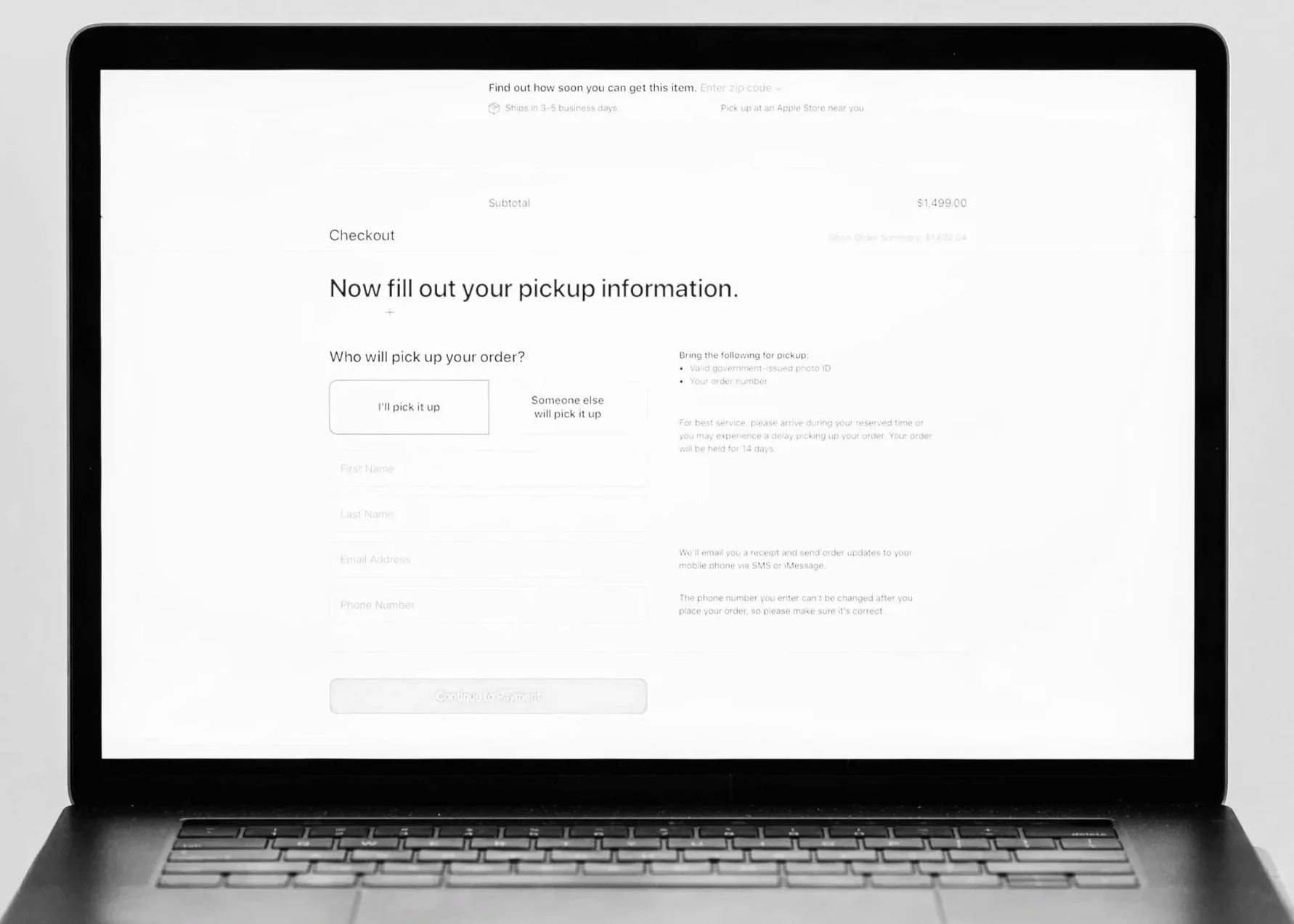
When to Use a Landing Page Instead of a Website
When you’re running targeted ad campaigns, a landing page gives you a focused space built for one job.
You send paid traffic there to drive a single conversion action, like a signup or purchase. No distractions, no extra links—just a clear path to “yes.”
Running Targeted Ad Campaigns
Running a paid ad campaign? Don’t send that traffic to your homepage. Use a landing page instead. A focused page lifts your conversion rate because it has one job: turning clicks into action.
For paid search, match ad copy to your headline and offer. This boosts your Quality Score and lowers your cost per click. Google rewards relevance.
Here’s why landing pages work so well for ad campaigns:
Segmented landing pages let you personalize content for different audiences or keywords
Time-limited promotions stay simple to launch, swap, or pause without touching your main site
A/B tests reveal which version converts best
Build these pages fast with a page-builder. Test variations. Scale what works. Your ad campaigns deserve a destination built to convert, not just exist.
Driving Single Conversion Actions
Ad campaigns aren’t the only case for a landing page. Any time you want one single conversion, a landing page wins. Think webinar signups, product purchases, or email captures. You need one clear call to action (CTA), not ten options.
This is where landing pages and websites differ most. A website keeps navigation. A landing page doesn’t. You remove navigation and distractions so visitors focus on your CTA.
Paid ads work best this way too. Matching ad messaging to your landing page content keeps visitors engaged and lifts conversion rates.
Running a seasonal promotion? Build a dedicated landing page. Test headlines and layouts with A/B testing. Launch fast, measure results, and adjust without touching your main site.
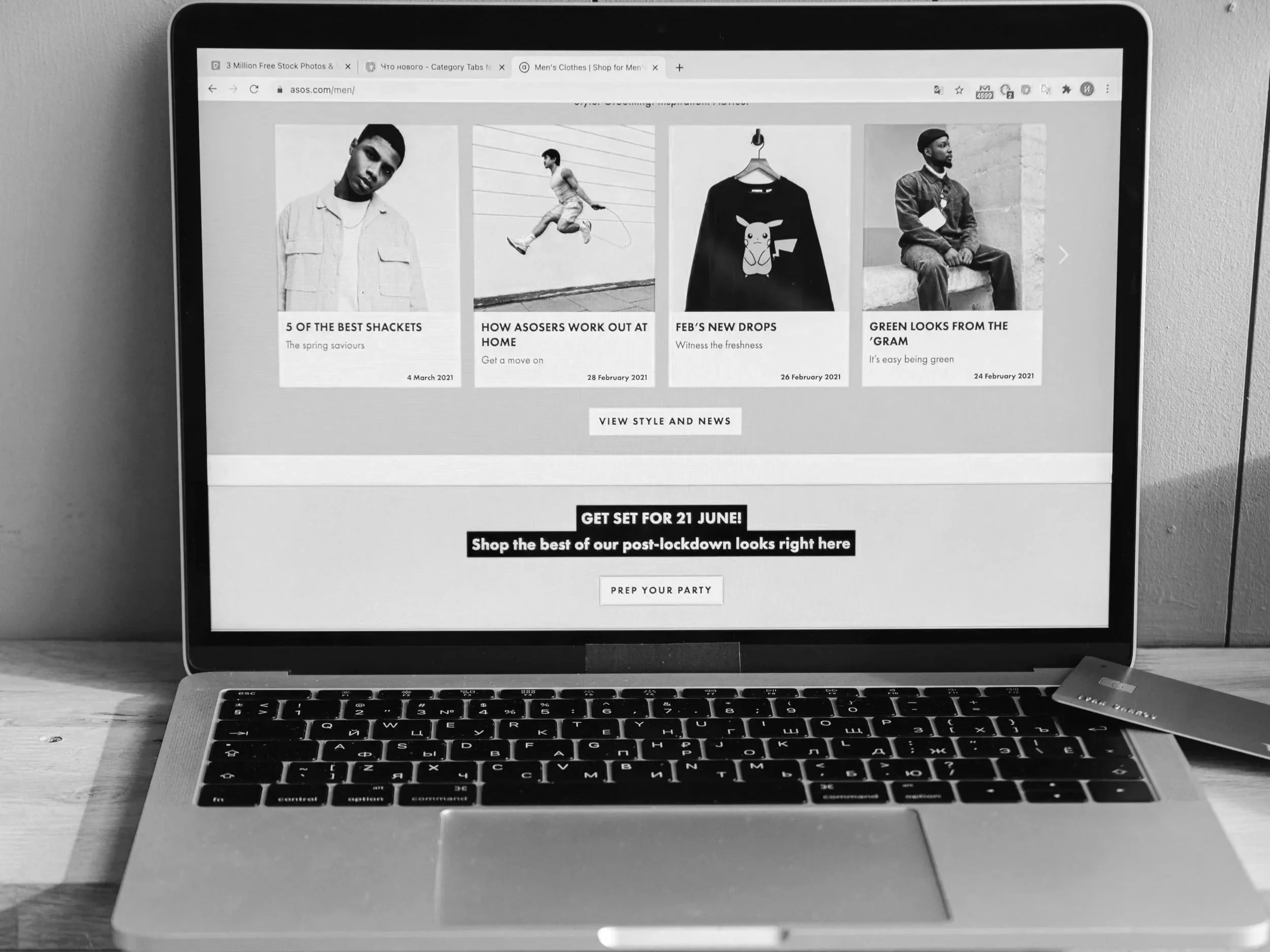
When Your Business Needs a Full Website
Sometimes a single page can’t carry the weight of your business.
If you sell multiple products, serve different audiences, or want to build trust over time, you need more room to grow.
That’s when a full website makes sense.
Multiple Products Or Services
Juggling 50+ SKUs or several service types? A landing page can’t handle that load. You need a real website.
A single page gets crowded fast when you sell multiple products. Buyers need catalogs. They need filters. They need a way to compare options before they buy.
A multi-page site solves this problem. Each product gets its own page. Each page targets different long-tail keywords. This boosts your SEO and brings in organic traffic you’d otherwise miss.
Think about what a full site gives you:
Dedicated product pages with unique URLs and metadata
Smooth user journeys from browsing to checkout
Organized catalogs that make discovery easy
Multiple offerings demand structure. A website delivers it. A landing page simply can’t.
Building Long-Term Brand Authority
While a landing page chases one quick win, a website builds lasting trust. You need more than a single page to earn real brand authority. A website lets you host evergreen content like blogs, case studies, and whitepapers. This content drives SEO across many keywords and grows your domain authority over time.
Your website also acts as a content hub. Regular updates keep it fresh and signal relevance to search engines. That means steady organic traffic, not just one burst of visits.
Good site structure matters too. Clear pages help visitors find what they need. Strong technical SEO, like fast load times and mobile optimization, keeps your site discoverable and credible for years to come.
Serving Different Customer Needs
As your business grows, one page won’t cut it anymore. A diverse audience has different needs. Landing pages work great for one goal, but they can’t handle everything. You need a website to support multiple pages, clear navigation, and varied user journeys.
Think about who visits your site:
Shoppers needing transactional functionality like carts and checkout
Local customers searching for a local business with hours and directions
Researchers exploring content before they decide
Each group wants something different. A website meets them all in one place. It also boosts SEO through multiple indexed pages, driving traffic from different angles. That structure improves conversion rates because visitors find exactly what they need, fast.

Can a Landing Page and Website Work Together?
Absolutely — a landing page and a website aren’t rivals. They work as a team. Your website stays your permanent brand hub. Landing pages serve as campaign-specific tools for targeted marketing and lead capture. You can host both on the same domain, like example.com/black-friday, keeping your SEO authority intact.
Each landing page should match your ad copy and include a clear call to action (CTA) to drive higher conversion rates. Once leads engage, route them back to your website for deeper details or upsells.
Use A/B testing on your landing pages to learn what works. Then apply those insights — headlines, trust signals, navigation — to improve your website. Together, they boost results and lower ad spend.
Frequently Asked Questions
Is a Landing Page the Same as a Website?
No, they’re not. You use a landing page for one goal, like getting signups. You use a website to host many pages, like your blog, products, and contact info.
Do I Need a Website if I Have a Landing Page?
It depends. If you’re running one short campaign, your landing page might suffice. But if you sell multiple products, need SEO, or want repeat customers to trust you, you’ll need a full website too.
Can a Website Have a Landing Page?
Yes, you can. You can add landing pages to your website’s paths or subdomains. You’ll keep your branding intact while running campaigns. You can even share your CSS, analytics, and trust signals for consistency.
What Is Another Name for a Landing Page?
You’ll often hear it called a “destination page.” If it collects contact info, you might call it a “lead capture page.” For short promos, you’ll see it labeled a “campaign page” or “squeeze page.”
In Conclusion
You don’t have to choose just one. Use a website to tell your full story. Use a landing page to drive one action. Together, they cover both jobs well. Think about your goal first. Then pick the right tool, or use both. Your website builds trust over time. Your landing page gets quick results now. That’s how you grow smart.
